Wondering how many types of big cats there are? Five live in the genus Panthera: the lion, tiger, jaguar, leopard and snow leopard, and each differs in range, size and conservation status.
This guide is one part of the site’s wider look at lion conservation, so lions get a little extra attention below.
| Item | Value |
|---|---|
| Living species in the genus Panthera | 5 living species |
| Tiger, IUCN Red List category | Endangered (assessed 2015) |
| Lion, IUCN Red List category | Vulnerable (assessed 2016) |
| Leopard, IUCN Red List category | Vulnerable (assessed 2016) |
| Jaguar, IUCN Red List category | Near Threatened (assessed 2008) |
The species count comes from Wikipedia’s Panthera entry and the categories from a taxonomy table on PubMed Central. Red List categories are reviewed over time, so check the sources before you rely on these figures.
What counts as a big cat?
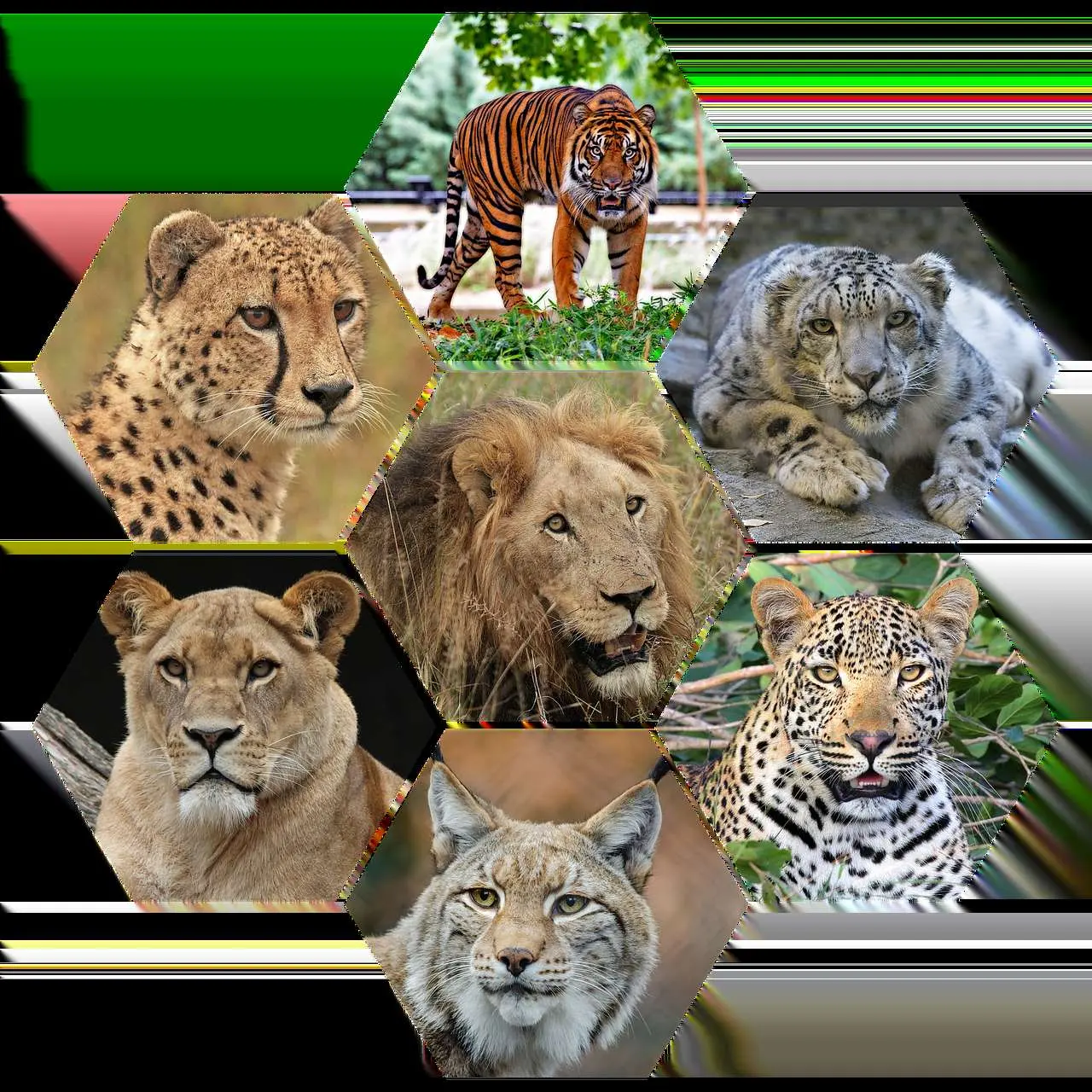
The label is looser than most people expect. Some sources use big cat for the living members of Panthera only, while others add pumas (also called mountain lions or cougars) and cheetahs, as Discover Wildlife’s guide explains.
IFAW names four types of big cats: lions, tigers, leopards and jaguars. It treats the snow leopard as a debated fifth, because many biologists think it is too different from the others to share their genus.
The conservation group Panthera takes the widest view and says it protects seven species of big cats: tigers, jaguars, leopards, lions, pumas, snow leopards and cheetahs, according to its own description of its work.
This page follows the narrower scientific definition, the genus Panthera. Wikipedia notes that this genus contains the largest living members of the cat family.
The five Panthera cats, one by one
Each species has its own range, social life and conservation story. The profiles below run from the lion to the snow leopard.
Lion
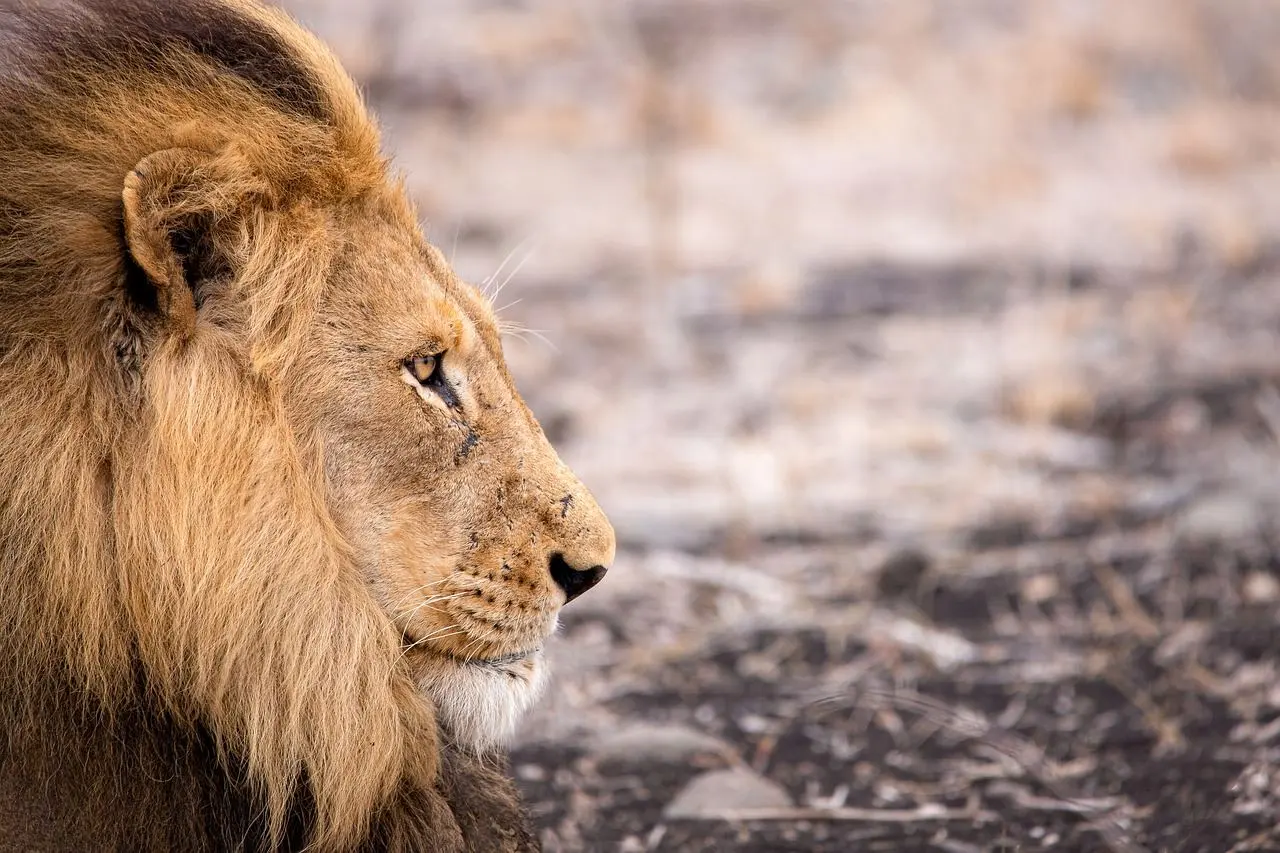
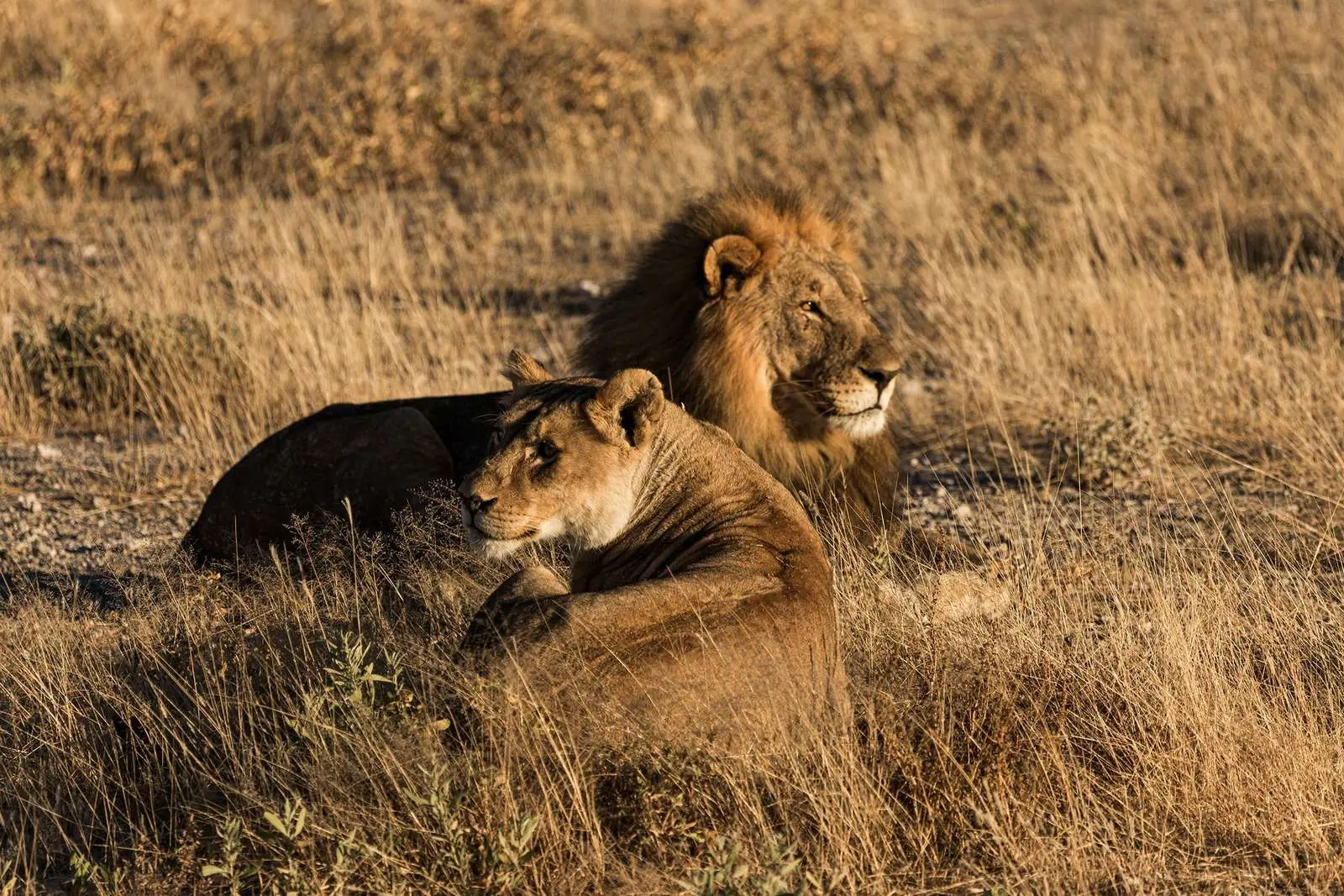
The lion is the only true social wild big cat, and FOUR PAWS places it in Africa and Asia. A pride typically holds 1-20 related females, their offspring and a few males.
Adult males typically weigh 150-250 kg, according to Wikipedia’s big cat entry.
FOUR PAWS cites an IUCN estimate of between 23,000 and 39,000 mature lions in the wild. The same page reports a global decline of 43% between 1993 and 2014, which is one reason lions feature so heavily in conservation work (FOUR PAWS).
Some lions are born with a white coat. FOUR PAWS says they are not albino and not a separate subspecies but carry a recessive mutation, and you can read more about white lions on this site.
Tiger
The tiger is a solitary cat and the biggest big cat in the wild. FOUR PAWS gives sizes that vary from 140 kg to up to 261 kg.
The same source reports between 2,608 and 3,905 mature tigers, with a best estimate of 3,140. It adds that the species occupies less than 7% of its historic range, and that IUCN recognises nine subspecies, of which three or four are extinct (FOUR PAWS).
Jaguar
The jaguar is the only big cat to live outside Asia and Africa, IFAW says, spending its time in the jungles and savannahs of South and Central America. IFAW also reports that jaguars have lost 50% of their natural habitat.
Its main claim to fame is bite strength. Discover Wildlife reports that the jaguar has the strongest bite of any big cat relative to its size, even though one study found its bite force is only three-quarters as strong as a tiger’s.
Leopard
The leopard is the great generalist. IFAW describes a vast range that reaches countries as widespread as Armenia, Yemen, Thailand and Sri Lanka, and says that relative to their size leopards are the strongest of all big cats.
One population is in serious trouble: the Amur leopard of the Russian far east is critically endangered, with only 100 Amur leopards left in the wild (IFAW).
Snow leopard
The snow leopard is the odd one out because it cannot roar. Wikipedia explains that its vocal folds are shorter, at 9 mm, which lowers resistance to airflow.
It is also the lightest of the five: adults usually weigh 22 to 55 kg, per Wikipedia’s big cat entry. Because of the roar difference, Discover Wildlife notes that some scientists argue it deserves its own genus, Uncia.
How the five cats are related
Genetic studies indicate that the pantherine cats diverged from the subfamily Felinae between six and ten million years ago, according to Wikipedia’s Panthera entry.
A 2010 study in Molecular Phylogenetics and Evolution sorted the five into two groups, as Wikipedia’s big cat entry summarises:
- The snow leopard and the tiger are sister species.
- The lion, leopard and jaguar sit closer to one another.
Roar, purr and bite: what sets the cats apart
Roaring depends on the voice box. Discover Wildlife explains that in lions, tigers, leopards and jaguars a stretchy ligament replaces a bone called the epihyal, widening the sound passage and lowering the pitch.
The lion has the loudest roar of the group. IFAW says it can reach 114 decibels, and Wikipedia adds that in good conditions it can be heard 8 or even 10 km away.
A few quick ways to keep the five apart:
- Lion: lives in groups, in Africa and one part of India.
- Tiger: hunts alone and is Asian.
- Jaguar: the only one native to the Americas.
- Leopard: turns up across the widest spread of habitats.
- Snow leopard: lacks the roar entirely.
How threatened is each big cat?
Every species here has been assessed by the IUCN Red List, and Discover Wildlife calls the tiger the most threatened. The guide is undated and lists the snow leopard as Vulnerable, whereas the PMC table records Endangered for its 2008 assessment.
That mismatch is a reminder that categories change. The PMC table itself says status is periodically reviewed and points readers to the IUCN Red List for current detail.
The losses of habitat are stark. IFAW reports that lions have lost around 92% of the land they once occupied and tigers around 95% of their historical habitat.
The same source names four overlapping threats:
- Habitat loss
- Human-wildlife conflict
- Climate change
- The illegal wildlife trade
FOUR PAWS argues that wild numbers gain more from habitat protection than from releasing captive big cats. If you want to act, the guide on how to help save lions is a practical place to start.
Frequently asked questions
Do big cats purr?
Show answer
No. According to Discover Wildlife, purring and roaring cannot coexist, so lions, tigers, leopards and jaguars never purr, while other cats purr but cannot roar.
Are cheetahs and cougars big cats?
Show answer
It depends on who you ask. IFAW says some scientists exclude cheetahs because they belong to the genus Acinonyx rather than Panthera.
Which big cat is the largest?
Show answer
The tiger. FOUR PAWS records 325 kg for the heaviest tiger held in captivity, well above the wild range it quotes.
Where do lions and tigers live side by side?
Show answer
Discover Wildlife names India as the only country home to both. The wild Asiatic lions live in Gir National Park, FOUR PAWS reports.